
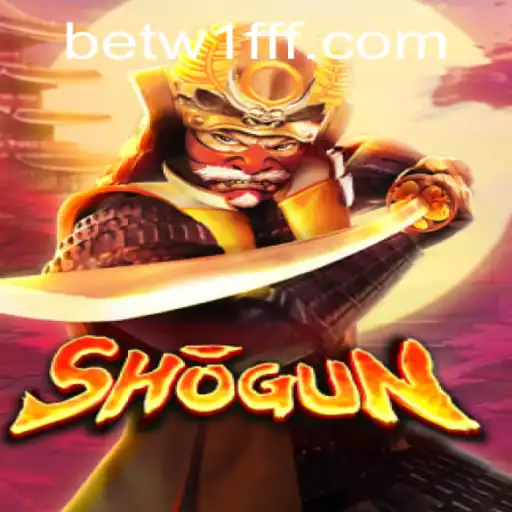

Delve into the captivating world of Shogun, exploring the game's intricate mechanics, history, and how it relates to today's dynamic landscape.
Shogun: A Timeless Strategy Game
Shogun is a captivating strategy board game that immerses players in the rich history of feudal Japan. Players take on the roles of daimyos, or feudal lords, competing to control territories and amass power. Drawing on elements of strategy, negotiation, and tactical warfare, Shogun offers an intricate gameplay experience that has enthralled players worldwide.
The History and Origins of Shogun
Shogun, also known by its alternate name Samurai Swords, was originally released as part of the Milton Bradley Gamemaster series. The game draws inspiration from the Sengoku Jidai period of Japan, a time marked by social upheaval, political intrigue, and near-constant military conflict. Players find themselves in the midst of this volatile era, tasked with uniting Japan under their rules.
Game Objectives and Initial Setup
The primary objective in Shogun is to become the dominant military power by capturing key provinces on the map. The game board represents the Japanese archipelago, divided into various regions that players must strategically control. Each player begins with a set number of armies, represented by miniatures, which they will use to wage war against opponents, defend territories, and achieve ultimate supremacy.
Gameplay Mechanics and Strategy
Planning and Deployment
The game unfolds over a series of rounds, each consisting of several phases. Initially, players engage in a planning phase where they secretly allocate resources to defense, recruitment, and financing. This strategic allocation is critical, as it will determine the strength and resilience of their forces in the upcoming battles.
Resource Management and Recruitment
A core component of Shogun is resource management. Players must judiciously spend their limited resources to recruit new units, build fortifications, and fund other military ventures. Balancing these activities is essential to maintaining a competitive edge over rivals.
Combat and Diplomacy
Combat is resolved using dice rolls, adding an element of chance to the strategic framework. However, Shogun is not solely about brute force. Skilled players will recognize the importance of diplomacy and alliances, as powerful coalitions can often turn the tide of war. Negotiation with other players adds depth and complexity to the game, encouraging participants to think several moves ahead.
Rules of Shogun
Turn Structure and Phases
Each round in Shogun is divided into the planning, deployment, and resolution phases. During the planning phase, players choose their province actions, deciding where to build and which territories to reinforce. The deployment phase follows, where players move their armies across the board, positioning them strategically for upcoming battles.
Resolution and Victory Conditions
In the resolution phase, conflicts are resolved based on army strength and the outcome of dice rolls. Victory conditions vary, with players earning points for controlled territories, military victories, and successfully maintaining alliances. The game concludes when one player achieves dominion over the specified regions, solidifying their position as the ultimate Shogun.
Current Events and Cultural Relevance
Shogun in Today's Gaming Landscape
In recent years, Shogun has seen a resurgence in popularity, particularly with the rise of online platforms that allow virtual gameplay with friends worldwide. The game's strategic depth and historical setting resonate with audiences interested in both competitive gaming and history.
W1fff PH Login integration
Advanced digital platforms such as W1fff PH Login have modernized the Shogun experience, offering players enhanced features such as saved game sessions, in-game tutorials, and an interactive interface. These digital enhancements provide a user-friendly experience that retains the game's classic appeal while integrating cutting-edge technology.
Shogun's Influence on Modern Strategy Games
Shogun continues to influence modern strategy games, inspiring a new generation of game developers and enthusiasts. Its emphasis on tactical planning, resource management, and complex decision-making has set a precedent for the strategic depth and engagement expected in contemporary board games.
As Shogun remains a staple in the world of strategy games, it inspires curiosity and excitement among players of all ages. The blend of historical authenticity and intricate gameplay mechanics ensures that Shogun maintains its place as a timeless classic in both traditional and digital formats.